-
Shop
- Advanced Technologies
- AI Career Advantage Collection
- AI Skills Mastery 2026 Collection
- Best-Sellers
- Car Accessories
- Dating & Social Skills
- Digital Resources
- AI & Technology
- Beauty
- Budgeting & Saving
- Emotional Intelligence
- Entrepreneurship & Business Growth
- Financial Independence
- Financial Mindset & Psychology
- Goal Setting
- Home Styling & Organization
- Kitchen & Recipes
- Leadership
- Mindfulness
- Mindset
- Motivation
- Online Business
- Parenting & Child Development
- Personal Style & Fashion
- Pet Lifestyle & Wellness
- Positive Thinking
- Productivity
- Self Confidence
- Sleep Improvement
- Stress Management & Relaxation
- Wellness
- Yoga & Mind-Body Practices
- Education & Learning
- Family & Parenting
- Fashion
- Furniture
- Gadgets
- Health & Beauty
- Health & Wellness
- Home & Garden
- Kids & Babies
- Lighting
- Luxury Brands Collection
- Patio, Lawn & Garden
- Personal Growth
- Pet Care
- Pet Supplies
- Pets
- Sport & Outdoors
- Travel
- Wealth
Ice-Cooling IPL Device: More Comfortable At-Home Hair Reduction
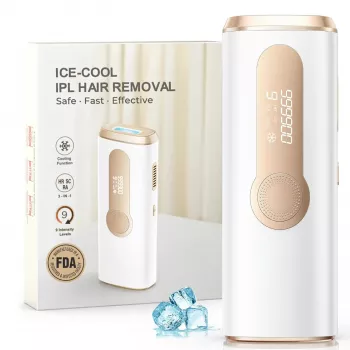
IPL Laser Hair Removal Device with Ice Cooling: Comfort-First At-Home Hair Reduction
An IPL hair removal device with ice cooling is designed to reduce the sting often associated with light-based treatments by keeping the skin surface cooler during flashes. For many at-home users, that combination—consistent light pulses plus cooling—can make it easier to stick with a treatment schedule across larger areas like legs or sensitive zones like underarms. The sections below cover how it works, who it suits best, how to use it safely, what results to expect, and how to compare key features before buying.
What ice cooling changes about at-home IPL
Ice-cooling contact windows focus on one thing: helping your skin feel less “hot” during repeated pulses. That comfort can be the difference between doing quick touch-ups and finishing a full routine on both legs.
- Cooling aims to reduce heat sensation at the skin surface, which can improve comfort on higher intensity levels.
- A cooler contact area may help reduce temporary redness for some users, especially on thinner or more reactive skin.
- Comfort features matter most on large areas (legs, arms) where repeated flashes can feel fatiguing without cooling.
- Cooling does not replace safe use: eye safety, correct skin-tone compatibility, and proper technique remain essential.
How IPL works (and how it differs from clinic lasers)
IPL (intense pulsed light) uses broad-spectrum light that targets melanin in the hair. When the hair pigment absorbs the light, heat travels down to the follicle to disrupt regrowth over time. Because the light is attracted to pigment, results depend heavily on contrast—darker hair against lighter skin typically responds best.
Professional “laser” hair removal usually uses a single wavelength (or a narrow range) and can deliver higher energy under trained supervision. At-home IPL devices are built for lower energy and repeated sessions, prioritizing gradual progress and consumer safety. For general background on light-based hair removal and safety considerations, see the American Academy of Dermatology Association and the U.S. Food & Drug Administration.
IPL vs. clinic treatments at a glance
| Feature | At-home IPL device | Professional laser hair removal |
|---|---|---|
| Light type | Broad-spectrum pulses | Single or narrow wavelength laser |
| Energy level | Lower, designed for repeated use | Higher, delivered by trained staff |
| Timeline | Gradual reduction over multiple weeks | Often fewer sessions, spaced out |
| Comfort control | Cooling modes, contact sensors, intensity steps | Cooling systems and clinical pain management options |
| Cost structure | One-time device cost | Per-session cost |
Who tends to get the best results
At-home IPL is most predictable when hair pigment can “stand out” from skin pigment. That’s why device guidance typically includes a skin tone and hair color suitability chart.
- Best match: dark blonde to black hair with light to medium skin tones (strong pigment contrast).
- Less responsive: very light blonde, red, grey, or white hair due to limited melanin for the light to target.
- Higher caution: deeper skin tones may have higher risk of skin reaction because more melanin is present in the skin; device suitability varies by model and should be confirmed in the product guidance.
- Not for everyone: avoid use over tattoos, active irritation, open wounds, or suspicious lesions; consider professional advice for medical conditions or medications that increase photosensitivity.
How to use an ice-cooling IPL device for smoother sessions
Comfort-first devices still rely on good fundamentals. A clean routine reduces irritation risk and helps the light energy go where it matters—down the hair shaft toward the follicle.
- Prep: shave the area (do not wax or pluck beforehand) so light energy can target the follicle beneath the skin rather than burning surface hair.
- Patch test: use a small area at a low level first; wait 24 hours to check for unusual redness or irritation.
- Technique: keep full contact with the skin, move steadily, and avoid overlapping flashes repeatedly in the same spot.
- Cooling strategy: start with cooling on, then increase intensity gradually over sessions as comfort allows.
- Aftercare: moisturize, avoid hot showers/saunas immediately after, and apply broad-spectrum sunscreen on exposed treated areas.
What results to expect (and how to track progress)
Most people notice changes in stages. Early on, regrowth may feel softer or slower. Over repeated sessions, some areas begin to look less dense, and shaving frequency often drops. The most consistent improvements typically come from sticking to a steady cadence rather than occasionally spiking intensity.
Hair grows in cycles, so uneven progress between zones (for example, underarms responding faster than calves) is common. If you want a clinical overview of typical expectations and limitations, the Mayo Clinic offers a helpful summary.
Safety and comfort checklist
Feature checklist for choosing a device with cooling
Product spotlight: IPL Laser Hair Removal Device with Ice Cooling
Quick details
| Item | Details |
|---|---|
| Product | IPL Laser Hair Removal Device with Ice Cooling |
| Price | 55.67 USD |
| Availability | In stock |
More in-stock picks to round out your routine
- Clarks Women’s Black Lace-Up Shoes for supportive everyday wear when you want comfortable, low-fuss footwear.
- Minimalist Pearl Resin Ring – Waterproof 18K Gold-Plated Stainless Steel as a simple accessory option that’s easy to wear daily.
FAQ
Does ice cooling make IPL more effective, or just more comfortable?
Ice cooling mainly improves comfort and tolerability, which can help you stay consistent with sessions. Effectiveness is driven more by correct use, a steady schedule, suitable hair/skin contrast, and choosing an appropriate intensity level.
How often should an at-home IPL device be used?
Many routines start with more frequent sessions for the first several weeks, then shift to occasional maintenance as regrowth slows. Follow the device manual for the exact cadence and adjust based on how your skin responds.
Can IPL be used on the face or bikini line?
Some devices allow limited facial use (typically below the cheekbones) and bikini-line use on outer areas. Avoid mucosal/genital tissue and follow the manufacturer’s specific zone restrictions and safety guidance.
Recommended for you
Was this article helpful?
Yes
No








Leave a comment