-
Shop
- Advanced Technologies
- AI Career Advantage Collection
- AI Skills Mastery 2026 Collection
- Best-Sellers
- Car Accessories
- Dating & Social Skills
- Digital Resources
- AI & Technology
- Beauty
- Budgeting & Saving
- Emotional Intelligence
- Entrepreneurship & Business Growth
- Financial Independence
- Financial Mindset & Psychology
- Goal Setting
- Home Styling & Organization
- Kitchen & Recipes
- Leadership
- Mindfulness
- Mindset
- Motivation
- Online Business
- Parenting & Child Development
- Personal Style & Fashion
- Pet Lifestyle & Wellness
- Positive Thinking
- Productivity
- Self Confidence
- Sleep Improvement
- Stress Management & Relaxation
- Wellness
- Yoga & Mind-Body Practices
- Education & Learning
- Family & Parenting
- Fashion
- Furniture
- Gadgets
- Health & Beauty
- Health & Wellness
- Home & Garden
- Kids & Babies
- Lighting
- Luxury Brands Collection
- Patio, Lawn & Garden
- Personal Growth
- Pet Care
- Pet Supplies
- Pets
- Sport & Outdoors
- Travel
- Wealth
Leather New Balance Shoes: Models, Materials & Care
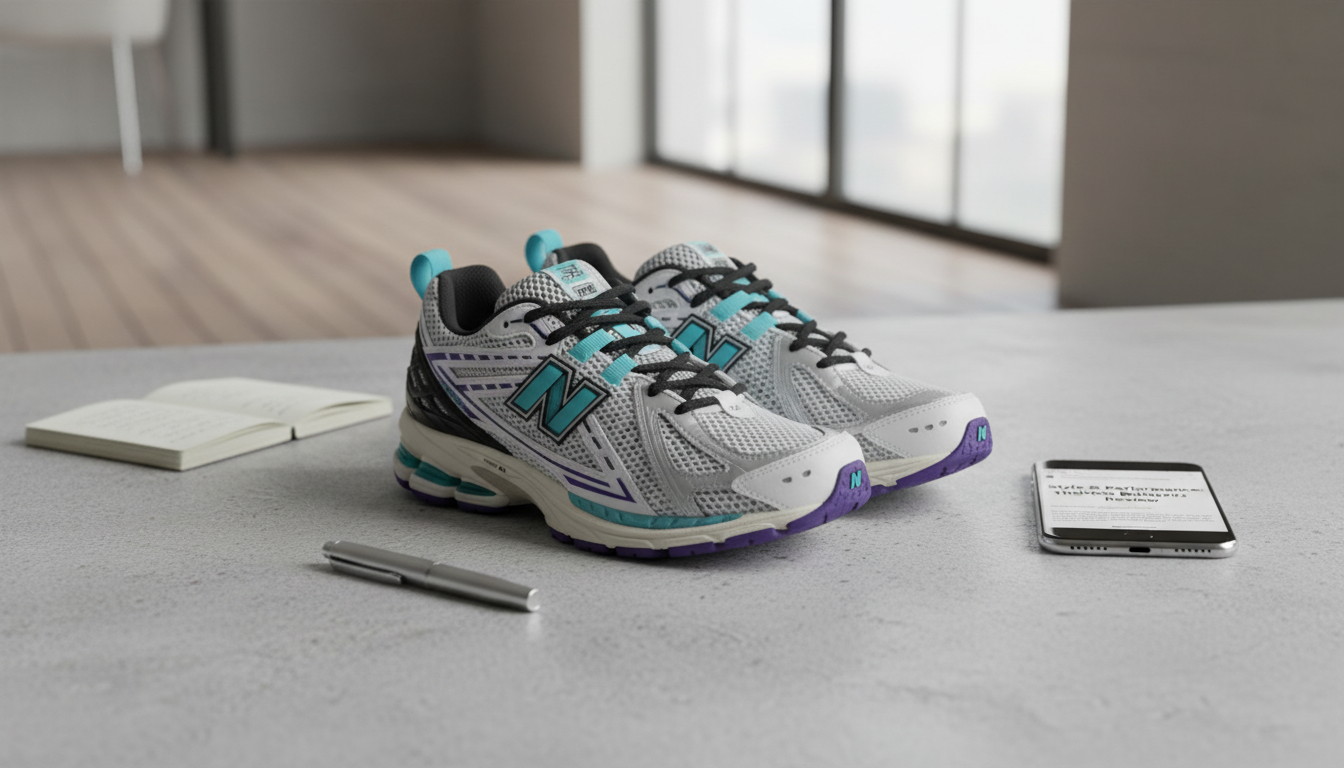
Are there leather New Balance shoes?
Yes—New Balance makes several leather and leather-combination sneakers. Depending on the model, you’ll see full-grain leather, coated leather, or leather overlays paired with mesh, suede, or synthetic panels. Leather options are common in classic lifestyle silhouettes and some court-inspired styles, where the material adds structure, durability, and an easy-to-clean finish.
What kinds of leather options does New Balance offer?
Many New Balance leather shoes use layered uppers: leather overlays reinforce high-wear areas like the toe, eyestay, and heel, while mesh or textile sections improve airflow. Some releases are nearly all leather on the upper for a smoother, more uniform look. Materials can vary by colorway and season, so it’s worth checking the upper’s material callout on the product page or the inside tongue label.
Which New Balance lines are most likely to come in leather?
Lifestyle and heritage collections frequently feature leather editions, especially models known for everyday wear and clean styling. Court-style sneakers (often inspired by tennis or basketball shapes) also commonly use leather for a crisp profile. Running-focused models can include leather variants too, but they’re more likely to use leather as an overlay rather than a fully leather upper.
How to confirm a pair is leather before buying
Look for product descriptions that list “leather upper” or “leather/synthetic upper,” and scan the materials breakdown for the upper rather than the lining or trim. If you’re shopping through a retailer, compare the SKU or exact color name to New Balance’s official listing—materials sometimes change between similar-looking versions. For a deeper breakdown and examples, visit the full guide on leather New Balance shoes.
Care tips for leather New Balance sneakers
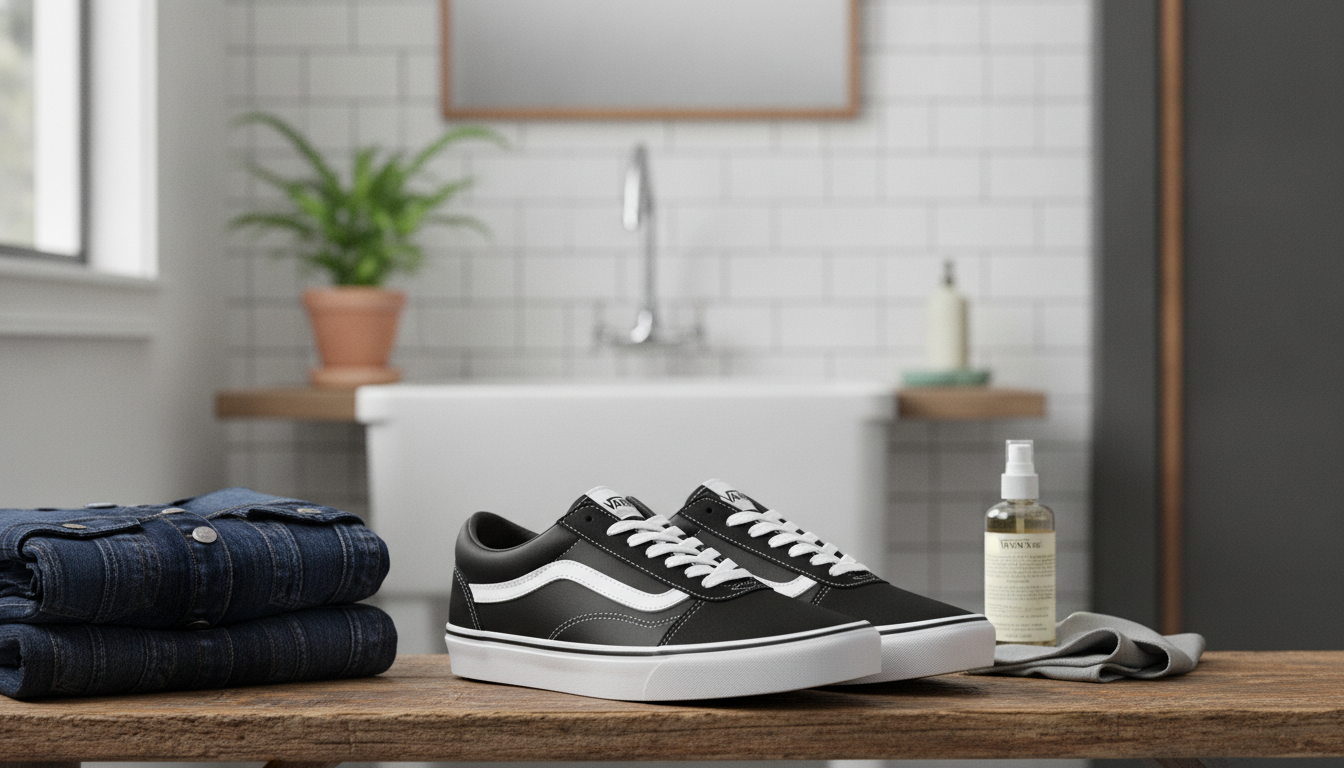
Wipe down leather uppers with a soft, slightly damp cloth after wear, and use a gentle leather cleaner for scuffs. Let shoes air-dry away from direct heat, and consider a light conditioner occasionally to reduce drying and cracking. If the shoe mixes leather and suede/mesh, treat each panel with the appropriate product to avoid staining or texture changes.
FAQ
Are leather New Balance shoes good for rainy weather?
Leather uppers can handle light rain better than many textiles, especially when treated with a water-repellent spray. They’re not automatically waterproof, so seams and mesh panels can still let moisture in during heavy rain.
Recommended for you

Was this article helpful?
Yes
No







Leave a comment