-
Shop
- Advanced Technologies
- AI Career Advantage Collection
- AI Skills Mastery 2026 Collection
- Best-Sellers
- Car Accessories
- Dating & Social Skills
- Digital Resources
- AI & Technology
- Beauty
- Budgeting & Saving
- Emotional Intelligence
- Entrepreneurship & Business Growth
- Financial Independence
- Financial Mindset & Psychology
- Goal Setting
- Home Styling & Organization
- Kitchen & Recipes
- Leadership
- Mindfulness
- Mindset
- Motivation
- Online Business
- Parenting & Child Development
- Personal Style & Fashion
- Pet Lifestyle & Wellness
- Positive Thinking
- Productivity
- Self Confidence
- Sleep Improvement
- Stress Management & Relaxation
- Wellness
- Yoga & Mind-Body Practices
- Education & Learning
- Family & Parenting
- Fashion
- Furniture
- Gadgets
- Health & Beauty
- Health & Wellness
- Home & Garden
- Kids & Babies
- Lighting
- Luxury Brands Collection
- Patio, Lawn & Garden
- Personal Growth
- Pet Care
- Pet Supplies
- Pets
- Sport & Outdoors
- Travel
- Wealth
Women’s Genuine Leather Oxford Flats: Fit, Style & Care
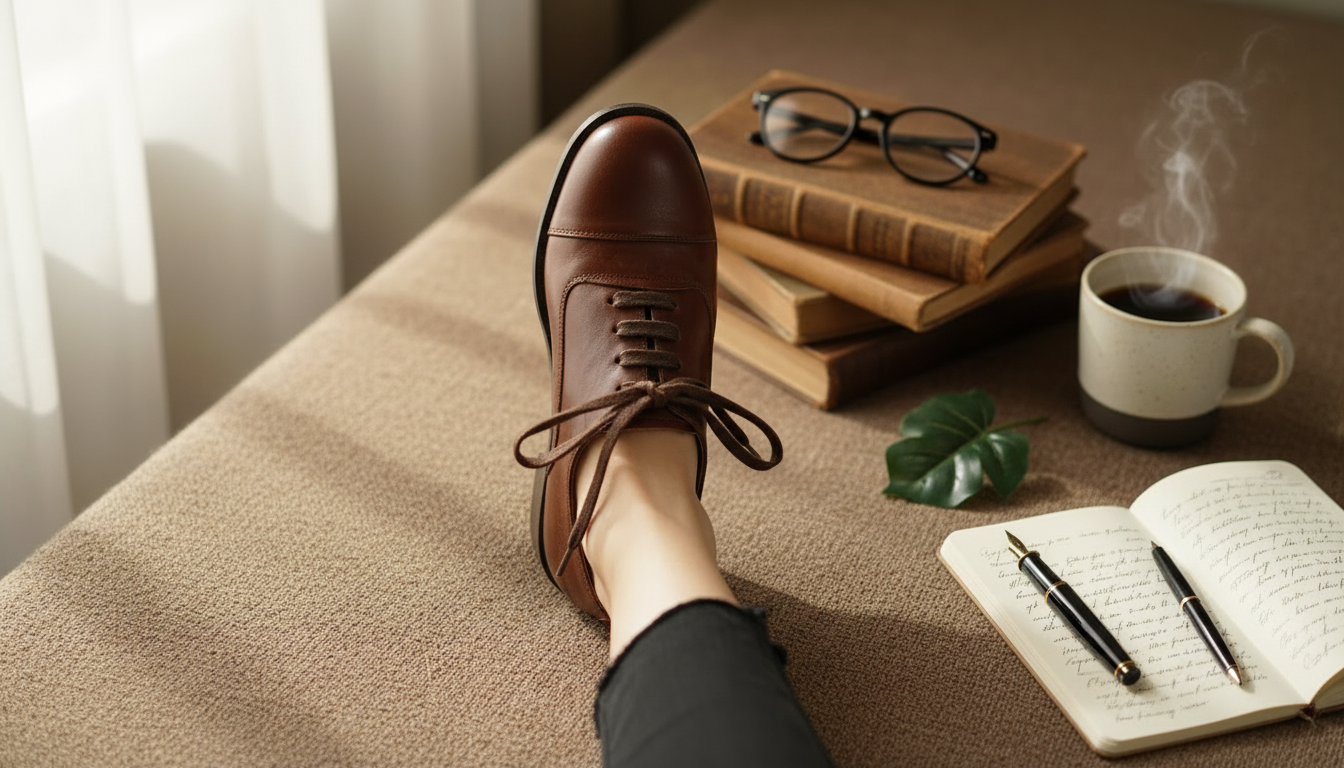
Women’s Genuine Leather Oxford Flats: Polished Comfort for Everyday Wear
Oxford flats blend the tailored attitude of classic lace-ups with the easy, grounded feel of a low-profile shoe. In genuine leather, that polished look comes with everyday advantages: a structured upper that holds its shape, natural breathability for long hours, and a refined finish that pairs as easily with office outfits as it does with weekend denim. If a wardrobe calls for something sharper than a simple ballet flat—but more walkable than a heel—oxford flats land in a sweet spot.
What Makes Oxford Flats Different
Oxford flats are defined by their clean, composed silhouette. The closed lacing system and structured upper create a neat, “finished” line across the foot that reads more tailored than many slip-ons.
- Closed lacing + structure: Creates a crisp profile that works well with more polished outfits.
- Low heel profile: Keeps the feel stable and walkable compared with heeled oxfords.
- Versatile styling: Looks natural with trousers, skirts, and dresses when a sharper finish is wanted.
- Leather adapts over time: Many leather uppers gradually mold for a more personalized fit.
Genuine Leather Benefits for Daily Wear
Genuine leather earns its reputation for everyday shoes because it balances structure and comfort—especially once it has a little wear time. While no shoe is “maintenance free,” leather is refreshable: it can be cleaned, conditioned, and polished to extend its life and keep it looking intentional.
- Breathability: Helps reduce heat buildup during long days and commutes.
- Durability: Improves with proper conditioning and storage instead of breaking down quickly.
- Easy to refresh: Light cleaning and polishing can revive the surface.
- Natural creasing is normal: Even creasing often indicates the shoe is flexing where your foot flexes—typically a good sign for fit.
For general shoe-selection guidance, the American Podiatric Medical Association (APMA) offers practical tips on fit and support. For material-specific upkeep, the Leather Working Group is a helpful reference for leather care fundamentals.
Fit and Sizing: Getting the Lace-Up Feel Right
The beauty of an oxford flat is the adjustability: laces can fine-tune hold across the midfoot, which is where many flats either feel floppy or overly tight. A great fit should feel secure without “biting” across the top of your foot.
- Midfoot hold: Aim for secure contact without pressure on the instep (top of the foot).
- Toe spacing: Leave about a thumbnail’s space at the toe to accommodate walking expansion.
- Between sizes: Decide based on your most common setup—thin socks, thicker socks, or added insoles.
- Break-in guidance: Snug is normal; painful hot spots often point to width issues or too much vamp tension.
If heel slip shows up during your first wears, try tightening the laces at the ankle area, adding a thin heel grip, or reassessing sizing before forcing a “wait it out” break-in.
Materials and Construction to Look For
Not all oxford flats feel the same. Small construction details influence comfort on hard floors, traction in wet weather, and how the shoe ages after repeated wears.
- Upper: Smooth or pebbled leather is typically easy to care for; softer leather often breaks in faster.
- Lining: Leather or breathable textiles can reduce friction and improve next-to-skin comfort.
- Insole: Look for cushioning if you stand a lot; choose a removable insole if you rely on orthotics.
- Outsole: Rubber adds grip and shock absorption; leather outsoles look dressier but usually need more care.
- Stitching and edge finishing: Clean seams and consistent stitching reduce irritation and help the shoe last longer.
Quick Comparison: Common Oxford Flat Features
| Feature | Why it matters | Good for |
|---|---|---|
| Rubber outsole | Adds traction and dampens impact | Commuting, city walking, rainy days |
| Leather outsole | Sleeker profile and formal look | Office wear, events, minimal outdoor walking |
| Cushioned insole | Reduces fatigue on hard surfaces | All-day standing, travel |
| Removable insole | Allows custom orthotics or extra cushioning | High arches, plantar support needs |
| Softer leather upper | Faster break-in and easier flex | Sensitive feet, quick comfort |
Styling Ideas: From Tailored to Casual
Oxford flats are a styling shortcut when an outfit needs structure. They also add contrast to softer silhouettes—think flowy dresses or relaxed denim—without looking overly formal.
- Workwear: Pair with ankle trousers and a blazer for a crisp, menswear-inspired finish.
- Skirts and dresses: A slightly tapered toe shape keeps the overall look refined.
- Denim: Straight-leg or cropped jeans spotlight the lace-up detail.
- Socks: Thin trouser socks read polished; no-show liners keep a clean ankle line.
- Color coordination: Match the leather tone to a belt or bag to make the look feel intentional.
Care and Longevity Tips
Featured Pick: Women’s Genuine Leather Oxford Flats
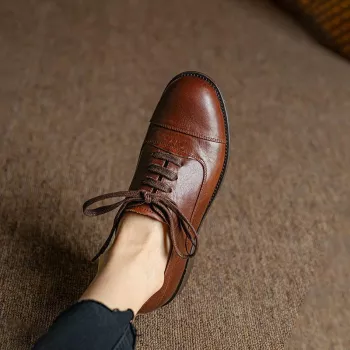
If the goal is an everyday lace-up that looks polished without feeling fussy, Women’s Genuine Leather Oxford Flats offer a streamlined approach. The genuine leather construction supports a structured look while allowing gradual break-in comfort over time. It’s a practical option for commuting, office outfits, and smart-casual styling when sneakers feel too relaxed and heels feel unnecessary.
Alternatives for a Similar Look
- Clarks Women’s Black Lace-Up Shoes (in stock)
FAQ
Do genuine leather oxford flats stretch over time?
Leather typically relaxes and molds slightly with wear, especially across the vamp and width. Expect subtle comfort changes rather than a major size jump, so starting with the right size and a gentle break-in is important.
How should oxford flats fit around the heel?
A mildly snug heel can be normal at first, but ongoing heel slip can lead to blisters. Try lacing adjustments or heel grips, and consider a different size or width if slipping persists.
Can oxford flats be worn in light rain?
Leather can handle occasional moisture if it’s protected and dried away from direct heat afterward. A rubber outsole helps with traction, and conditioning after drying can prevent stiffness.
Recommended for you
Was this article helpful?
Yes
No








Leave a comment