-
Shop
- Advanced Technologies
- AI Career Advantage Collection
- AI Skills Mastery 2026 Collection
- Best-Sellers
- Car Accessories
- Dating & Social Skills
- Digital Resources
- AI & Technology
- Beauty
- Budgeting & Saving
- Emotional Intelligence
- Entrepreneurship & Business Growth
- Financial Independence
- Financial Mindset & Psychology
- Goal Setting
- Home Styling & Organization
- Kitchen & Recipes
- Leadership
- Mindfulness
- Mindset
- Motivation
- Online Business
- Parenting & Child Development
- Personal Style & Fashion
- Pet Lifestyle & Wellness
- Positive Thinking
- Productivity
- Self Confidence
- Sleep Improvement
- Stress Management & Relaxation
- Wellness
- Yoga & Mind-Body Practices
- Education & Learning
- Family & Parenting
- Fashion
- Furniture
- Gadgets
- Health & Beauty
- Health & Wellness
- Home & Garden
- Kids & Babies
- Lighting
- Luxury Brands Collection
- Patio, Lawn & Garden
- Personal Growth
- Pet Care
- Pet Supplies
- Pets
- Sport & Outdoors
- Travel
- Wealth
Healthy Eating Starter Bundle: 5 Checklists to Start
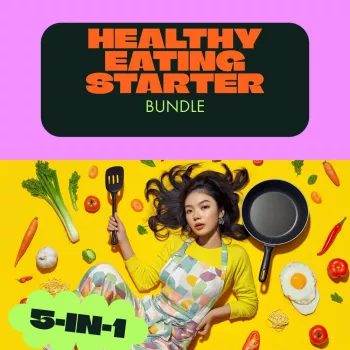
Getting started with healthier eating often falls apart for one simple reason: too many decisions all at once. A small set of practical guides and checklists can turn nutrition goals into repeatable routines—planning meals faster, shopping with confidence, and tracking progress without overcomplicating it. This starter bundle is designed to support consistent habits with step-by-step structure that fits real schedules.
What the bundle is designed to help with
Healthy eating becomes much easier when the “what should I do today?” question is replaced with a short, reliable system. Instead of relying on motivation, a simple framework can reduce daily friction and keep progress moving—even during busy weeks.
- Reduce decision fatigue with simple frameworks for meals, snacks, and grocery shopping
- Create a baseline routine (planning, shopping, prep, tracking) that can be repeated weekly
- Support balanced eating patterns using practical checklists rather than strict rules
- Make progress visible with trackable actions (hydration, produce intake, protein at meals, mindful portions)
- Work for beginners who want clarity, and for busy people who want fewer daily choices
For general nutrition guidance and balanced meal composition, reputable references like the Dietary Guidelines for Americans (2020–2025) and Harvard’s Healthy Eating Plate provide clear, practical guardrails that align well with a checklist-based approach.
What’s included in a 5-in-1 set of digital guides and checklists
This type of starter bundle works best when each component supports one part of the weekly cycle—so you’re not trying to “be perfect,” you’re simply following a repeatable process.
- A weekly planning guide to map meals and snacks around a realistic schedule (workdays vs. weekends)
- A grocery checklist template to translate meal ideas into a fast, organized shopping trip
- A simple balanced-plate checklist to keep meals satisfying (protein + fiber-rich carbs + healthy fats + colorful produce)
- A prep and pantry organization checklist to shorten weekday cooking time
- A habit tracker or progress checklist to maintain consistency without perfectionism
Example ways each component can be used during a typical week
| Component | When to use it | Goal it supports |
|---|---|---|
| Weekly planning guide | 10–15 minutes once per week | Fewer last-minute food decisions |
| Grocery checklist | Before shopping (online or in-store) | Faster shopping and fewer impulse buys |
| Balanced-plate checklist | During meal assembly | More filling meals and steadier energy |
| Prep checklist | After shopping or on a chosen prep day | Quicker weekday meals |
| Habit tracker | Daily or 2–3x/week check-in | Consistency and accountability |
Who benefits most from a structured starter bundle
Checklists are especially useful when life is full and bandwidth is limited. They create a “default plan” you can return to, which is often the missing link between good intentions and follow-through.
- Beginners who want clear next steps without learning complex nutrition rules first
- People returning to healthier routines after a busy season, travel, or lifestyle changes
- Anyone who struggles with meal planning, grocery organization, or inconsistent follow-through
- Households trying to simplify decisions while still supporting balanced meals
- Those who prefer self-paced tools and checklists over rigid meal plans
How to use the bundle in the first 7 days
The fastest way to build momentum is to start smaller than you think you “should.” A one-week reset is enough time to set defaults, test what’s realistic, and lock in a baseline routine.
- Day 1: Choose 2–3 “default” breakfasts and 2 easy lunches to repeat (reduce morning stress)
- Day 2: Use the planning guide to select 3–4 simple dinners with overlapping ingredients
- Day 3: Build the grocery list using the checklist; shop once for the week’s core items
- Day 4: Do a short prep session (wash produce, cook a protein, portion snacks)
- Day 5–7: Use the balanced-plate checklist at one meal per day; track only 1–2 habits (e.g., water + vegetables) to keep it manageable
If the week gets messy, keep the goal simple: complete the planning step again next week. Consistency is often less about never missing and more about restarting quickly.
Small changes that typically create the biggest results
Big transformations usually come from a handful of high-leverage habits repeated often. Checklists make those habits easier to execute when energy and time are limited.
Common sticking points—and how checklists help
Healthy Eating Starter Bundle product details
If a self-paced, repeatable structure sounds like what’s been missing, the Healthy Eating Starter Bundle | 5-in-1 Digital Guides & Checklists for a Healthy Diet is built as a practical system: plan → shop → prep → assemble meals → track habits. Because it’s digital, it’s easy to pull up on your phone, tablet, or desktop while you plan or shop.
For anyone pairing better food routines with more daily movement, supportive basics can help you stay consistent outside the kitchen, too—like comfortable everyday footwear such as Clarks Women’s Black Lace-Up Shoes for walking breaks, errands, and routine-building days.
FAQ
Is this bundle suitable for beginners who don’t know where to start?
Yes. Templates and checklists reduce overwhelm by giving you a clear next step, and the easiest start is one short weekly planning session plus tracking just 1–2 habits for the first week.
Do the checklists require calorie counting or a strict meal plan?
No. The tools focus on building balanced meals, organizing groceries, and staying consistent with habits, with optional tracking that stays flexible rather than strict.
How much time does weekly planning and prep usually take?
Planning commonly takes about 10–15 minutes, and prep is often 30–90 minutes depending on how much you cook ahead. Even minimal prep—like washing produce and portioning snacks—can make weekdays noticeably easier.
Recommended for you

Was this article helpful?
Yes
No







Leave a comment