-
Shop
- Advanced Technologies
- AI Career Advantage Collection
- AI Skills Mastery 2026 Collection
- Best-Sellers
- Car Accessories
- Dating & Social Skills
- Digital Resources
- AI & Technology
- Beauty
- Budgeting & Saving
- Emotional Intelligence
- Entrepreneurship & Business Growth
- Financial Independence
- Financial Mindset & Psychology
- Goal Setting
- Home Styling & Organization
- Kitchen & Recipes
- Leadership
- Mindfulness
- Mindset
- Motivation
- Online Business
- Parenting & Child Development
- Personal Style & Fashion
- Pet Lifestyle & Wellness
- Positive Thinking
- Productivity
- Self Confidence
- Sleep Improvement
- Stress Management & Relaxation
- Wellness
- Yoga & Mind-Body Practices
- Education & Learning
- Family & Parenting
- Fashion
- Furniture
- Gadgets
- Health & Beauty
- Health & Wellness
- Home & Garden
- Kids & Babies
- Lighting
- Luxury Brands Collection
- Patio, Lawn & Garden
- Personal Growth
- Pet Care
- Pet Supplies
- Pets
- Sport & Outdoors
- Travel
- Wealth
Portable Heat & Cold Massage Gun: Travel-Ready Relief
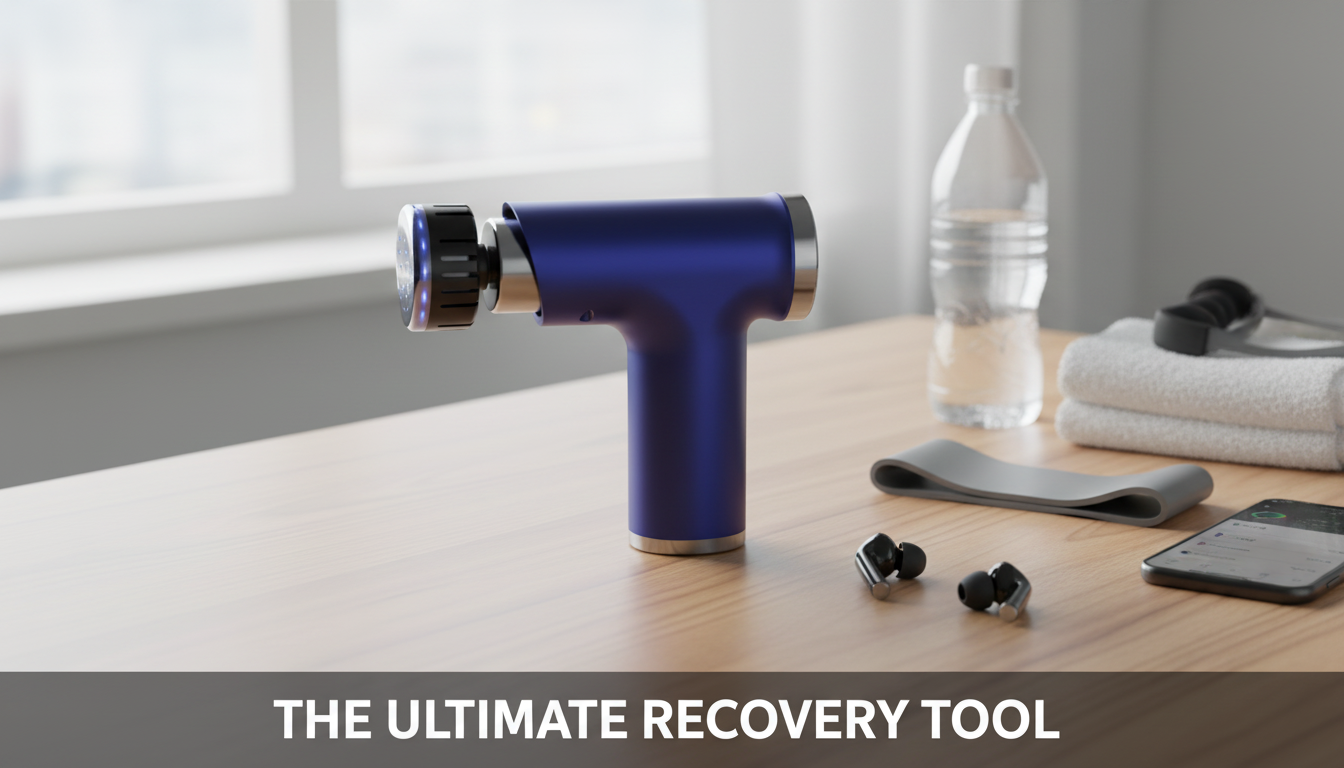
Portable Massage Gun with Heat & Cold Heads: Everyday Muscle Relief You Can Pack
A compact massage gun can do more than percussive massage when it also supports heat and cold therapy. Heat/cold heads add a familiar comfort toolset—similar to using a warm compress or an ice pack—without needing separate gear. Below is a practical guide to how temperature modes fit into real recovery routines, what to look for in a portable model, and how to use it in a way that feels good and stays safe.
What Heat and Cold Add to a Massage Gun
Percussion massage targets tight muscles through rapid pulses. Adding heat or cold can make those sessions feel more customizable, especially when a muscle group feels stiff before movement or “overworked” after activity. Many people already rotate between hot packs and ice packs; swappable heads simply make it easier to switch approaches in one device.
- Heat is commonly used to warm up stiff areas before movement and promote a relaxed feeling in muscles.
- Cold is commonly used after activity or on “hot” feeling, irritated spots to create a cooling sensation and help settle post-exercise discomfort.
- Swappable heads reduce the hassle of juggling separate tools, especially when traveling or heading to the gym.
- Better timing usually beats higher intensity: warm before, cool after, or alternate based on how the area feels that day.
Quick Guide: When to Use Heat vs Cold
| Goal | Heat head | Cold head | Typical timing |
|---|---|---|---|
| Loosen stiffness | Often helpful | Usually not first choice | Before activity or at the end of the day |
| Post-workout cooldown | Sometimes | Often helpful | After training or long walks |
| Tender, “overworked” feeling | Use cautiously if it increases discomfort | Often more comfortable | Same day as intense activity |
| General relaxation | Common choice | Optional | Any time, especially evenings |
For more on general temperature therapy, see guidance from Cleveland Clinic (Heat Therapy) and Cleveland Clinic (Cold Therapy).
Comfort and Control: What Matters in a Portable Model
Portability only helps if the device is comfortable enough to use consistently. When shopping for a travel-friendly massage gun with temperature heads, prioritize usability over extreme power.
- Weight and grip: A lighter body and a secure handle reduce fatigue during self-use on shoulders, calves, and lower back.
- Noise level: Quieter motors are easier to use in apartments, at night, or in shared spaces.
- Speed and intensity range: Multiple levels help avoid “too much” force on smaller or sensitive muscle groups.
- Head variety: Standard shapes (ball, flat, bullet) plus dedicated heat/cold heads give more targeted control.
- Battery life and charging: Consistent output and convenient charging matter more than a huge top speed. USB-friendly setups are especially handy for travel.
- Travel readiness: A case or protected storage keeps heads clean and helps prevent accidental activation in your bag.
Practical Routines That Fit Real Life
Short, repeatable sessions tend to feel better than occasional high-intensity efforts. Aim for comfortable pressure, keep the head moving, and treat temperature modes as “seasoning,” not the main course.
Morning mobility (5–8 minutes)
Use brief heat on the areas that feel tight when you first get up (often hips, calves, upper back). Follow with low-to-medium percussion on calves, quads, and upper back before walking, commuting, or training.
Desk-day reset (3–5 minutes)
Keep intensity low on traps, forearms, and hips. Focus on slow passes and stop short of numbness or sharp pain—especially if you’ve been in one posture for hours.
After training (6–10 minutes)
Use percussion on major muscle groups (quads, hamstrings, glutes, lats), then switch to the cold head on the areas that feel most taxed. If you’re building a recovery routine around workouts, the American College of Sports Medicine (ACSM) resource hub is a helpful starting point for broader training and recovery education.
Alternate approach (optional)
Try a short heat pass, a short percussion pass, then a cold pass. The key is avoiding long, intense time in one spot—especially with temperature engaged.
How to Use Heat/Cold Heads Safely and Comfortably
- Start low: Begin with the lowest speed and short contact time; increase only if it feels comfortable.
- Keep moving: Glide slowly rather than pressing hard in one point. Avoid aggressive pressure over joints and bony areas.
- Time boundaries: Use short sets per area (for example, 30–90 seconds), then reassess how the tissue feels.
- Skin checks: Stop if skin becomes overly red, blanched, numb, or painful. Temperature therapy should feel tolerable, not intense.
- Avoid sensitive zones: Do not use directly over the front of the neck, eyes, or areas with reduced sensation.
- Check with a clinician when needed: If pregnant, recovering from surgery, taking blood thinners, or managing circulatory/nerve conditions, confirm suitability first.
Who This Style of Massage Gun Tends to Suit
Recommended Picks In Stock
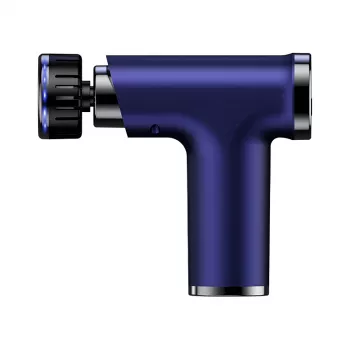
Portable Massage Gun with Heat & Cold Heads
Clarks Women’s Black Lace-Up Shoes
FAQ
How long should the heat or cold head be used in one area?
Use short passes—about 30–90 seconds per area—then reassess how it feels. Avoid holding the head in one spot, and stop if you notice numbness, sharp pain, or uncomfortable skin changes.
Is a heat/cold massage gun good to use after workouts?
Yes, many people use percussion on larger muscle groups first, then switch to cold on the spots that feel most taxed. Keep intensity moderate and prioritize comfort over “pushing through” soreness.
Can a massage gun be used on the lower back or neck?
It can be used cautiously around surrounding muscles, but avoid the front of the neck and direct pressure on the spine. Use low intensity, keep the head moving, and consult a clinician if pain radiates or feels unusual.
Recommended for you
Was this article helpful?
Yes
No







Leave a comment