-
Shop
- Advanced Technologies
- AI Career Advantage Collection
- AI Skills Mastery 2026 Collection
- Best-Sellers
- Car Accessories
- Dating & Social Skills
- Digital Resources
- AI & Technology
- Beauty
- Budgeting & Saving
- Emotional Intelligence
- Entrepreneurship & Business Growth
- Financial Independence
- Financial Mindset & Psychology
- Goal Setting
- Home Styling & Organization
- Kitchen & Recipes
- Leadership
- Mindfulness
- Mindset
- Motivation
- Online Business
- Parenting & Child Development
- Personal Style & Fashion
- Pet Lifestyle & Wellness
- Positive Thinking
- Productivity
- Self Confidence
- Sleep Improvement
- Stress Management & Relaxation
- Wellness
- Yoga & Mind-Body Practices
- Education & Learning
- Family & Parenting
- Fashion
- Furniture
- Gadgets
- Health & Beauty
- Health & Wellness
- Home & Garden
- Kids & Babies
- Lighting
- Luxury Brands Collection
- Patio, Lawn & Garden
- Personal Growth
- Pet Care
- Pet Supplies
- Pets
- Sport & Outdoors
- Travel
- Wealth
The Dior Effect: Luxury-Style Loyalty for Small Brands
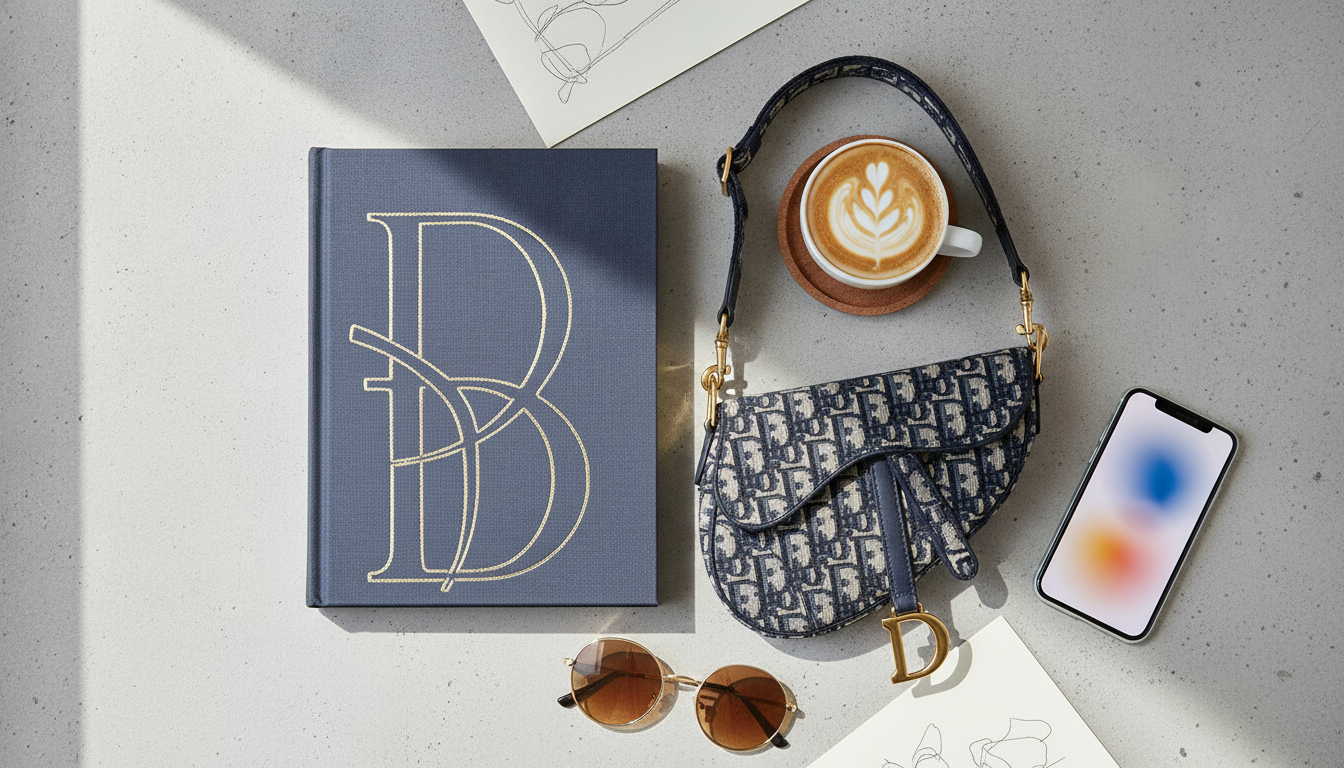
The Dior Effect: Building Unshakable Brand Loyalty With Luxury-Grade Moves
Dior’s loyalty isn’t built on discounts or constant reinvention—it’s built on meaning, ritual, consistency, and controlled access. The same principles translate to entrepreneur-led and creative brands at any price point when the brand experience feels intentional: a clear point of view, recognizable codes, and customer moments that feel personal and elevated.
What “The Dior Effect” Really Means
“The Dior Effect” is less about price tags and more about how a brand becomes a steady mirror of identity. Customers return because buying feels like joining a world—one that stays coherent over time.
- Loyalty as identity: customers come back when the brand reflects who they are (or who they’re becoming).
- Luxury signals without luxury budgets: clarity, restraint, and consistency often outperform constant promotions.
- A brand is a system: product, packaging, visuals, service, community, and culture should reinforce the same promise.
- Repetition with refinement: recognizable codes evolve slowly, keeping familiarity while staying current.
That “system” mindset is what turns a single purchase into a pattern. Research regularly finds retention is disproportionately valuable versus acquisition when you’re keeping the right customers (see Harvard Business Review).
Signature Codes: The Fastest Path to Recognition
Most small brands try to stand out by changing constantly. Luxury brands stand out by being unmistakable—through a handful of codes customers can recognize in seconds.
- Create 3–5 brand codes that appear everywhere: silhouette, motif, color family, typography rules, phrasing, or a packaging detail.
- Make codes functional, not decorative: consistency should improve clarity and usability (naming, layout, materials, size charts, care instructions).
- Protect the codes through guidelines: keep them stable across launches so customers feel continuity.
- Build collectibility: limited variations of the same recognizable code—not random one-offs.
Brand Codes Toolkit
| Code Type | Examples | How to Apply This Week |
|---|---|---|
| Visual | Color pair, icon, pattern, typography | Lock a primary palette and two typefaces; apply to site, socials, packaging |
| Product | Signature shape, material, finishing detail | Define one signature detail and include it in every new product |
| Language | Tagline rhythm, naming rules, tone | Write 10 product names using the same structure; update older listings |
| Experience | Unboxing ritual, note, follow-up cadence | Standardize a 3-step post-purchase flow and one “surprise” touchpoint |
Even for a simple product, codes can do heavy lifting. A jewelry shop, for example, can standardize a single metal tone, a consistent stone finish, and a naming style that reads like a collection—then repeat it across every listing. If you sell accessories, a clean, consistent “signature” look can pair naturally with products like Minimalist Pearl Resin Ring – Waterproof 18K Gold-Plated Stainless Steel, where the finish and silhouette carry the recognizable cue.
Story Architecture: Myth, Craft, and Meaning
Luxury storytelling isn’t about louder claims—it’s about tighter meaning and better proof. Dior’s mystique is supported by craft, continuity, and a consistent “world” (see the official House of Dior site for how they present collections and heritage).
- Anchor story in a single belief: what you refuse to compromise on (craft, timelessness, self-expression, precision).
- Translate “heritage” into proof: show process, sourcing decisions, prototypes, quality checks, and timelines.
- Use recurring story chapters: origin, signature pieces, maker spotlight, customer transformation, seasonal reinterpretations.
- Keep messaging restrained: fewer claims, more evidence (materials, methods, guarantees, durability, service).
A practical approach: write one paragraph that starts with “We will never…” and one paragraph that starts with “So we always…”. Those two lines become your brand’s spine—your product descriptions, packaging copy, and customer service decisions should all agree with them.
Scarcity Without Gimmicks: Controlled Access and Clear Boundaries
Scarcity works when it’s a boundary, not a trick. Customers can sense manufactured urgency. They also respect brands that operate with calm confidence.
- Offer fewer, better options: tight assortments reduce decision fatigue and signal curation.
- Use availability rules: waitlists, pre-orders, seasonal drops, and small-batch releases create predictable rhythm.
- Say no to misaligned channels: avoid discount-heavy marketplaces if they undercut your promise.
- Make price integrity a policy: stable pricing signals self-respect and reliability.
This is also where measurement matters. Loyalty is not just “likes”—it’s repeat purchases and advocacy. Many brands track referral signals with methods like Net Promoter Score, popularized by Bain & Company, alongside your actual repeat purchase rate.
Rituals That Turn Customers Into Regulars
Ritual is the repeatable part of “luxury.” Customers don’t just want a product; they want to feel looked after with consistency they can rely on.
Community and Culture: Loyalty Scales Through Belonging
A Practical Loyalty Blueprint for Entrepreneurs and Creative Brands
For a deeper, step-by-step framework built specifically for entrepreneurs and creative brands, explore The Dior Effect: Secrets Behind Unshakable Brand Loyalty – Luxury Branding Guide on How Dior Builds Loyalty for Entrepreneurs & Creative Brands. If you’re still deciding what kind of offer to build around your codes and rituals, Low-Stress Online Business Idea Pack – What Is the Easiest Online Business to Start? can help you choose a business model that supports repeatable customer experiences.
FAQ
How can a small brand build luxury-style loyalty without luxury pricing?
Prioritize consistency over constant change: lock a few recognizable codes, prove quality with specifics (materials, process, guarantees), and deliver a repeatable post-purchase ritual customers can count on. Luxury often reads as restraint and reliability, not cost.
What makes customers loyal to brands like Dior beyond the product?
Identity alignment plus consistency: recognizable brand codes, controlled access that feels intentional, cultural coherence, and service rituals that make customers feel seen. The product becomes a passport into a world that stays stable over time.
What are simple brand codes a creative business can adopt quickly?
Start with a locked color palette and two typefaces, a signature motif or finishing detail, consistent naming rules, and a standardized unboxing and follow-up sequence. Small, repeated cues compound into instant recognition.
Recommended for you
Was this article helpful?
Yes
No







Leave a comment