-
Shop
- Advanced Technologies
- AI Career Advantage Collection
- AI Skills Mastery 2026 Collection
- Best-Sellers
- Car Accessories
- Dating & Social Skills
- Digital Resources
- AI & Technology
- Beauty
- Budgeting & Saving
- Emotional Intelligence
- Entrepreneurship & Business Growth
- Financial Independence
- Financial Mindset & Psychology
- Goal Setting
- Home Styling & Organization
- Kitchen & Recipes
- Leadership
- Mindfulness
- Mindset
- Motivation
- Online Business
- Parenting & Child Development
- Personal Style & Fashion
- Pet Lifestyle & Wellness
- Positive Thinking
- Productivity
- Self Confidence
- Sleep Improvement
- Stress Management & Relaxation
- Wellness
- Yoga & Mind-Body Practices
- Education & Learning
- Family & Parenting
- Fashion
- Furniture
- Gadgets
- Health & Beauty
- Health & Wellness
- Home & Garden
- Kids & Babies
- Lighting
- Luxury Brands Collection
- Patio, Lawn & Garden
- Personal Growth
- Pet Care
- Pet Supplies
- Pets
- Sport & Outdoors
- Travel
- Wealth
What to Write in a Cover Letter: 5-Part Example Guide
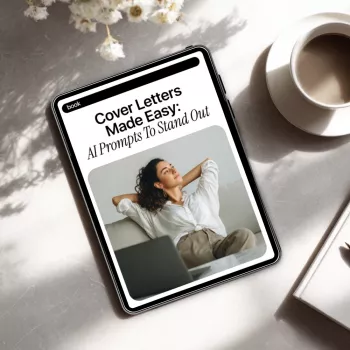
What do you write in a cover letter example?
A strong cover letter example usually includes five essential parts: a clear header, a tailored opening, 1–2 short body paragraphs that connect your experience to the role, a confident closing, and a professional sign-off. The goal is to make it easy for a hiring manager to understand who you are, why you’re a fit, and what you want them to do next (schedule an interview).
1) Header and greeting
Start with your contact details and the date, followed by the company’s information when available. Address a real person whenever possible (for example, “Dear Ms. Rivera”). If you can’t find a name, “Dear Hiring Manager” is acceptable.
2) Opening paragraph: role + value
In 2–3 sentences, state the position you’re applying for, how you found it (optional), and one compelling reason you’re a match. A simple formula works well: “I’m applying for X. I bring Y experience. I’m excited because Z aligns with my strengths.”
3) Body: proof, not promises
Use one or two brief paragraphs to show evidence. Mention relevant accomplishments with numbers when you can (revenue influenced, time saved, tickets resolved, accuracy improved). Then connect those results to what the employer needs—using details from the job posting like tools, responsibilities, or industry context.
4) Closing: next step + gratitude
Close by reaffirming interest, requesting an interview, and thanking them. Keep it direct: “I’d welcome the chance to discuss how I can help…” Then sign off with “Sincerely,” and your name.
For a full walkthrough and a practical example you can adapt, visit https://lucerni.com/what-do-you-write-in-a-cover-letter-example/.
For What to Write in a Cover Letter: 5-Part Example Guide, the best answer depends on fit, material, care instructions, and how the product will be used day to day.
FAQ
How long should a cover letter be?
Keep it to one page, ideally 250–400 words. Hiring managers should be able to scan it quickly and still see clear proof you match the role.
Recommended for you


Was this article helpful?
Yes
No








Leave a comment