-
Shop
- Advanced Technologies
- AI Career Advantage Collection
- AI Skills Mastery 2026 Collection
- Best-Sellers
- Car Accessories
- Dating & Social Skills
- Digital Resources
- AI & Technology
- Beauty
- Budgeting & Saving
- Emotional Intelligence
- Entrepreneurship & Business Growth
- Financial Independence
- Financial Mindset & Psychology
- Goal Setting
- Home Styling & Organization
- Kitchen & Recipes
- Leadership
- Mindfulness
- Mindset
- Motivation
- Online Business
- Parenting & Child Development
- Personal Style & Fashion
- Pet Lifestyle & Wellness
- Positive Thinking
- Productivity
- Self Confidence
- Sleep Improvement
- Stress Management & Relaxation
- Wellness
- Yoga & Mind-Body Practices
- Education & Learning
- Family & Parenting
- Fashion
- Furniture
- Gadgets
- Health & Beauty
- Health & Wellness
- Home & Garden
- Kids & Babies
- Lighting
- Luxury Brands Collection
- Patio, Lawn & Garden
- Personal Growth
- Pet Care
- Pet Supplies
- Pets
- Sport & Outdoors
- Travel
- Wealth
BPA-Free Suction Divided Silicone Plate for Toddlers
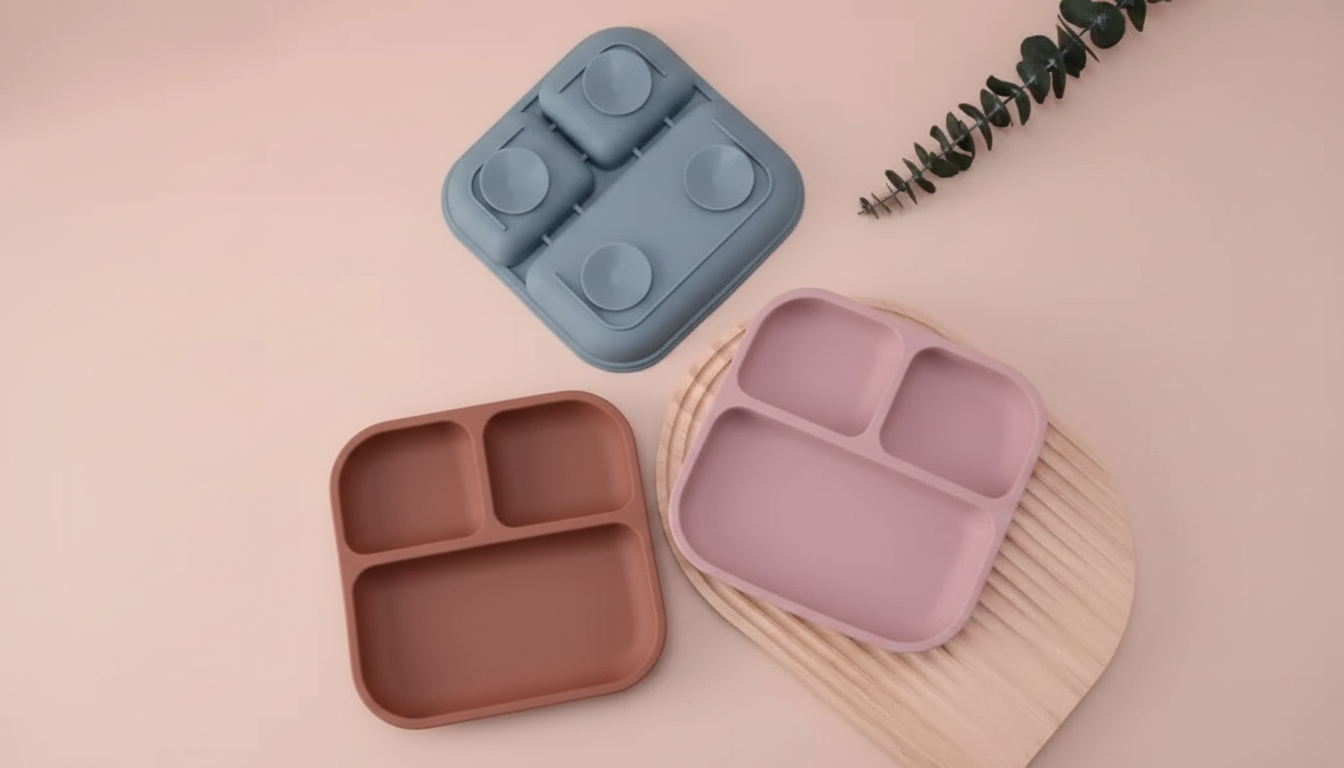
Silicone Divided Baby Plate with Suction: A BPA-Free, Easy-Clean Upgrade for Everyday Meals
Mealtime gets simpler when a plate stays put, portions stay separated, and cleanup takes seconds. A silicone divided baby plate with a strong suction base helps toddlers practice self-feeding with fewer spills, fewer tumbles, and less frustration for everyone at the table. The soft, grippy feel is also a welcome change from hard plastic or breakable materials—especially in the inevitable “oops” moments. For more guidance, see Melii Divided Silicone Suction Plate For Babies & Toddlers.
If you’re setting up a feeding routine that supports independence without turning every meal into a full cleanup project, the Silicone Divided Baby Plate with Suction | BPA-Free Easy Clean Toddler Bowl is designed to fit right into high-chair trays, toddler tables, and quick snacks at home or on the go. For further reading, see Bamboo Suction Plates Bowls Set for Baby Toddler – Includes ….
What Makes This Plate a Daily Go-To
- Divided sections keep foods separate, which is helpful for kids who dislike mixed textures and for families trying to offer balanced portions without extra dishes.
- A suction base reduces tipping, sliding, and the classic “plate flip” during early utensil practice.
- Soft silicone is gentler if bumped and more forgiving if dropped than ceramic options.
- Compact sizing works on high-chair trays, toddler tables, and many travel trays.
- Everyday-friendly design makes it easy to rotate through breakfast, snacks, lunch, and dinner without overthinking presentation.
Suction That Actually Holds: How to Get the Best Grip
Suction works best when you treat it like a seal: the smoother and drier the surfaces, the stronger the hold.
- Choose smooth, flat, non-porous surfaces such as sealed wood, plastic high-chair trays, glass, or stone.
- Wipe the tray and suction base dry before attaching. A little moisture or leftover crumbs can break the seal.
- Press firmly at the center to push out air and lock in a stronger suction.
- Avoid textured or uneven surfaces (woven placemats, raw wood grain, heavily curved trays) where air can leak underneath.
- Remove correctly by lifting the edge/tab of the suction base rather than pulling the plate straight up.
Divided Sections: Practical Ways to Use Them
Dividers aren’t just about aesthetics—used well, they can reduce mealtime stress and support skill-building.
- Pair “safe foods” with new foods side-by-side to lower pressure while still encouraging exposure.
- Separate wet and dry items (berries from crackers, yogurt from cereal) to keep textures from turning soggy.
- Create a dipping section with hummus, yogurt, or ketchup to encourage pinching, scooping, and controlled dipping.
- Make the plate visually inviting by rotating food colors and shapes without needing more dishes.
- Use simple portion planning: one section protein, one produce, one carbs/snacks—easy to adjust for appetite.
Materials and Safety Basics for Baby Feeding Gear
Many families look for BPA-free options as part of a safer feeding setup. The U.S. Food & Drug Administration provides background on BPA and its use in food-contact applications here: FDA — Bisphenol A (BPA): Use in Food Contact Application.
- BPA-free silicone can be a practical choice for modern feeding routines compared with older plastics that may contain BPA.
- Food-grade silicone is non-porous, which can help reduce odor retention and staining when cleaned promptly and thoroughly.
- Match the plate to readiness: suction plates are most useful once solids begin and your child starts grabbing foods and utensils.
- Inspect regularly for tears, cracks, or peeling, and replace if the surface is compromised.
- Follow care guidance to keep suction performance consistent and the surface looking its best.
For a helpful overview of when and how babies typically start solids, see: American Academy of Pediatrics — Starting Solid Foods.
Cleaning and Care: Fast, Low-Fuss Routines
- Rinse soon after meals so residue doesn’t set into corners of divided sections.
- Wash with mild soap and warm water; a soft brush helps reach section edges cleanly.
- For lingering smells, soak in warm water with a small amount of baking soda, then rinse thoroughly.
- Air-dry fully before stacking to reduce trapped moisture.
- Avoid abrasive scrubbers that can dull the surface and create more places for residue to cling.
Quick Comparison: Silicone vs. Common Plate Options
| Material | Grip/Suction | Drop Safety | Cleanup | Notes |
|---|---|---|---|---|
| Silicone | High | High | Easy | Great for self-feeding and minimizing mess |
| Plastic | Medium | Medium | Easy–Medium | Can scratch over time; may slide on trays |
| Bamboo | Low–Medium | Medium | Medium | Can warp; coatings may wear with frequent washing |
| Ceramic | Low | Low | Easy | Heavy and breakable; usually not suction-based |
| Stainless steel | Low | High | Easy | Durable; can be noisy and tends to slide |
Mealtime Tips for Toddlers Learning Independence
When This Plate Helps Most (and When It Might Not)
More In-Stock Picks
- Silicone Divided Baby Plate with Suction | BPA-Free Easy Clean Toddler Bowl
- Clarks Women’s Black Lace-Up Shoes
- Minimalist Pearl Resin Ring – Waterproof 18K Gold-Plated Stainless Steel
FAQ
Does the suction work on all high-chair trays?
Suction is strongest on smooth, clean, dry, non-porous trays. Textured or curved surfaces can reduce hold; for best results, press firmly from the center and remove by lifting the suction edge/tab.
How can silicone plates be cleaned if they hold onto smells?
Rinse promptly, wash with mild soap, and occasionally soak in warm water with a little baking soda. Rinse thoroughly and let the plate fully air-dry; avoid abrasive scrubbers that can wear the surface.
What age is a divided suction plate best for?
It’s typically most useful once solids begin and a baby starts grabbing foods and practicing self-feeding—often around the start of the solids journey and through the toddler years. Always supervise meals, and keep in mind some toddlers may still try to peel the suction up for fun.
Recommended for you

Was this article helpful?
Yes
No








Leave a comment