-
Shop
- Advanced Technologies
- AI Career Advantage Collection
- AI Skills Mastery 2026 Collection
- Best-Sellers
- Car Accessories
- Dating & Social Skills
- Digital Resources
- AI & Technology
- Beauty
- Budgeting & Saving
- Emotional Intelligence
- Entrepreneurship & Business Growth
- Financial Independence
- Financial Mindset & Psychology
- Goal Setting
- Home Styling & Organization
- Kitchen & Recipes
- Leadership
- Mindfulness
- Mindset
- Motivation
- Online Business
- Parenting & Child Development
- Personal Style & Fashion
- Pet Lifestyle & Wellness
- Positive Thinking
- Productivity
- Self Confidence
- Sleep Improvement
- Stress Management & Relaxation
- Wellness
- Yoga & Mind-Body Practices
- Education & Learning
- Family & Parenting
- Fashion
- Furniture
- Gadgets
- Health & Beauty
- Health & Wellness
- Home & Garden
- Kids & Babies
- Lighting
- Luxury Brands Collection
- Patio, Lawn & Garden
- Personal Growth
- Pet Care
- Pet Supplies
- Pets
- Sport & Outdoors
- Travel
- Wealth
5 Healthy Eating Rules: Simple Habits That Work
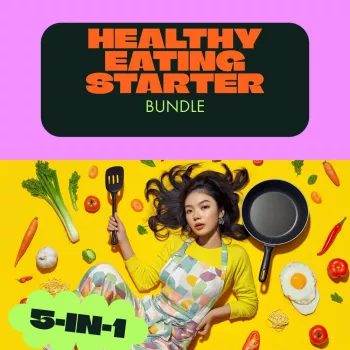
What are the 5 rules for healthy eating?
Healthy eating doesn’t have to be complicated. A few consistent habits can improve energy, support a healthy weight, and make meals more satisfying. Here are five practical rules that work well for most people, with flexibility for preferences, budgets, and schedules.
1) Build meals around whole foods
Choose foods that look close to how they come from nature: vegetables, fruits, beans, lentils, eggs, fish, poultry, plain dairy, nuts, seeds, and minimally processed whole grains. These options typically deliver more fiber, protein, and micronutrients per bite than ultra-processed foods.
2) Fill half your plate with colorful plants
Aim for a variety of colors across the week—leafy greens, orange veggies, berries, cruciferous vegetables, and more. Different colors often signal different nutrients and antioxidants, and higher produce intake supports digestion and heart health.
3) Prioritize protein and fiber at each meal
Protein helps with fullness and muscle maintenance, while fiber supports stable energy and gut health. Pair a protein (like Greek yogurt, tofu, chicken, salmon, or beans) with fiber-rich foods (like vegetables, fruit, oats, quinoa, or chickpeas) to make meals more balanced.
4) Choose healthier fats and limit added sugars
Favor unsaturated fats from olive oil, avocado, nuts, seeds, and fatty fish. Keep added sugars and refined carbs as occasional items—sweet drinks, candy, pastries, and many packaged snacks can spike cravings and crowd out more nourishing choices.
5) Practice portion awareness and consistent routines
Even nutritious foods can add up if portions are far beyond needs. Use simple cues: eat slowly, stop when comfortably satisfied, and plan regular meals/snacks to avoid extreme hunger that leads to overeating.
For more detail and examples, visit the full guide: What are the rules for healthy eating?.
FAQ
What are healthy snacks to eat between meals?
Pick snacks that combine protein and fiber, such as an apple with peanut butter, Greek yogurt with berries, hummus with veggies, or a handful of nuts plus fruit. These options help you stay full longer and prevent energy crashes.
Recommended for you


Was this article helpful?
Yes
No








Leave a comment