-
Shop
- Advanced Technologies
- AI Career Advantage Collection
- AI Skills Mastery 2026 Collection
- Best-Sellers
- Car Accessories
- Dating & Social Skills
- Digital Resources
- AI & Technology
- Beauty
- Budgeting & Saving
- Emotional Intelligence
- Entrepreneurship & Business Growth
- Financial Independence
- Financial Mindset & Psychology
- Goal Setting
- Home Styling & Organization
- Kitchen & Recipes
- Leadership
- Mindfulness
- Mindset
- Motivation
- Online Business
- Parenting & Child Development
- Personal Style & Fashion
- Pet Lifestyle & Wellness
- Positive Thinking
- Productivity
- Self Confidence
- Sleep Improvement
- Stress Management & Relaxation
- Wellness
- Yoga & Mind-Body Practices
- Education & Learning
- Family & Parenting
- Fashion
- Furniture
- Gadgets
- Health & Beauty
- Health & Wellness
- Home & Garden
- Kids & Babies
- Lighting
- Luxury Brands Collection
- Patio, Lawn & Garden
- Personal Growth
- Pet Care
- Pet Supplies
- Pets
- Sport & Outdoors
- Travel
- Wealth
7 Healthy Eating Habits for a Balanced, Easy Routine
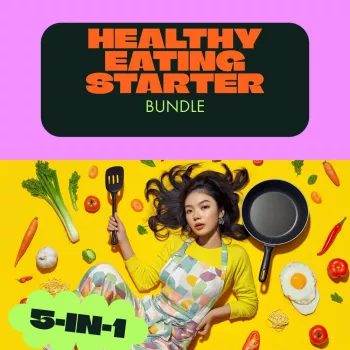
What are the 7 healthy eating habits?
The 7 healthy eating habits below are simple, repeatable choices that make meals more balanced without requiring perfection. They focus on what to add (nutrients, fiber, hydration) and what to limit (excess added sugar, sodium, and highly processed foods) so it’s easier to eat well day to day.
1) Build meals around whole, minimally processed foods
Choose foods close to their natural form—vegetables, fruits, beans, eggs, fish, plain dairy, whole grains, nuts, and seeds. These tend to be more filling and provide a broader range of vitamins and minerals.
2) Eat plenty of vegetables and fruit
Aim to include produce at most meals and snacks. Mixing colors and types helps cover different nutrients and adds fiber that supports digestion and steady energy.
3) Choose quality protein regularly
Include protein at meals—such as poultry, seafood, lean meats, tofu, lentils, Greek yogurt, or cottage cheese. Protein supports muscle maintenance and helps you feel satisfied longer.
4) Prefer whole grains and high-fiber carbs
Swap refined grains for options like oats, brown rice, quinoa, and whole-wheat bread or pasta. Fiber helps with fullness, heart health, and more stable blood sugar.
5) Include healthy fats in smart portions
Use fats like olive oil, avocado, nuts, seeds, and fatty fish. They support heart health and flavor, but portion sizes matter since fats are calorie-dense.
6) Limit added sugar, excess sodium, and ultra-processed foods
Cut back on sugary drinks, sweets, and heavily processed snacks, and watch packaged foods that are high in sodium. Opt for simple ingredients and season with herbs, spices, citrus, and vinegar.
7) Practice mindful portions and consistent meal timing
Eat when you’re hungry, slow down, and stop when comfortably satisfied. Keeping a consistent routine—especially around breakfast and lunch—can reduce impulsive snacking later.
For a deeper breakdown and practical tips, visit the full guide: https://lucerni.com/what-are-the-healthy-eating-habits/.
FAQ
How can I start eating healthier if I’m busy?
Pick one small change first, like adding a fruit or vegetable to one meal each day. Keep quick staples on hand—bagged salad, frozen veggies, canned beans, rotisserie chicken, and microwavable whole grains—to build balanced meals in minutes.
Recommended for you


Was this article helpful?
Yes
No








Leave a comment